
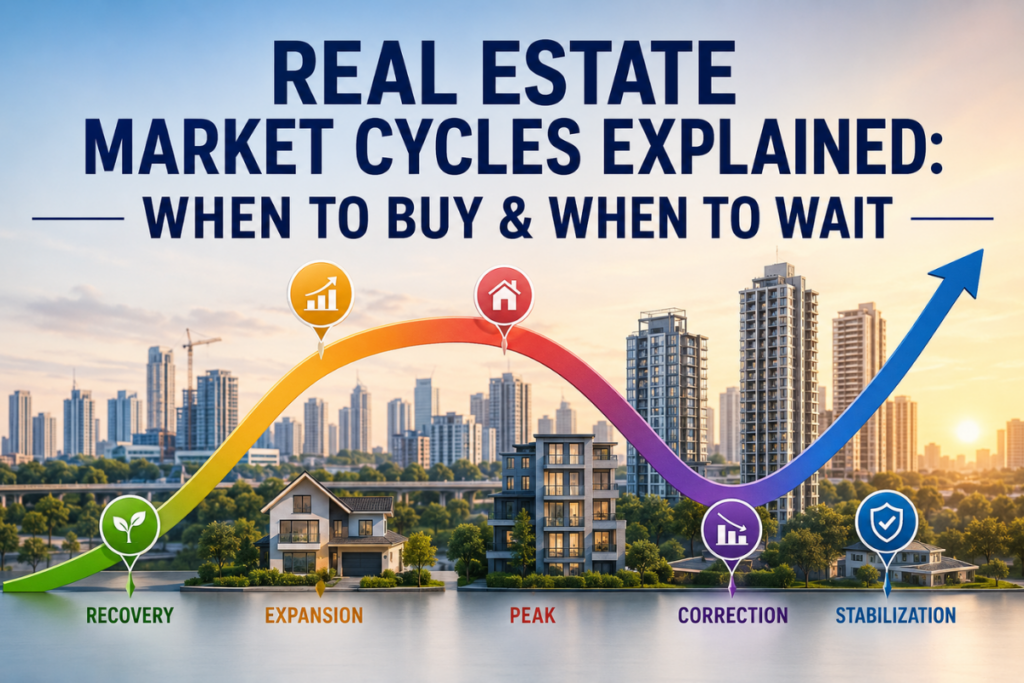
Introduction Real estate markets don’t grow on a straight line basis. The interest rates, infrastructural development and customer trust create the market cycles that in turn affect property prices, demand, investment activity and buyer sentiment. Understanding these phases helps buyers to identify affordable opportunities more quickly and position investments for higher long-term...
May 2026
Introduction Real estate’s value is very closely tied to the cost of borrowing and the overall status of the financial market. Even small movements in interest rates can affect real estate demand, buyer affordability, investment activity, and market momentum. House loan rates are on the rise. EMI will climb, loan eligibility may fall, and buyer sentiment is likely to be more...
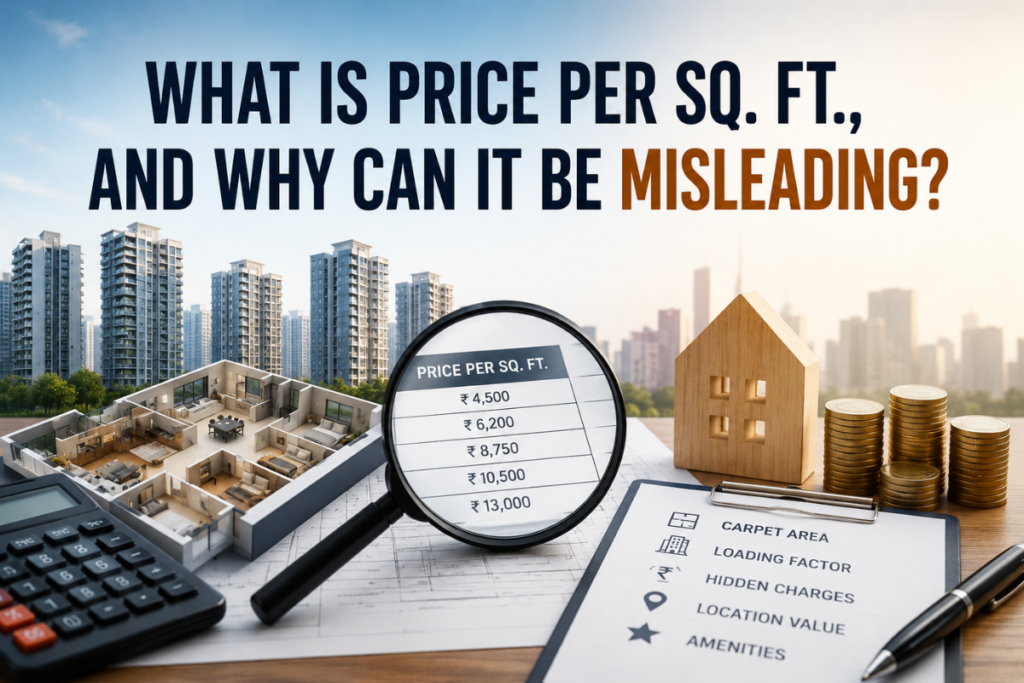
Introduction Price per square foot is a popular metric for real estate buyers to compare apartments and complexes. The figure is simple, yet it often gives an illusion of value. Two properties with similar costs can have completely unique usable size, quality of construction, amenities, geographical benefits, and long-term investment potential. Plus, builders have several definitions for area,...
Introduction One of the most important aspects of real estate ownership is the title structure, yet many buyers look beyond it in favor of location, cost, amenities and prospective appreciation. The distinction between freehold and leasehold ownership can be crucial in terms of long-term control, resale flexibility, financing possibilities, inheritance rights and ultimately the value of a...
Introduction One of the most essential factors that real estate buyers have is choosing between an under-construction project and a ready to move in property. The advantages and investment outcomes of the two choices are different. Some buyers are looking for potential for appreciation and more affordable pricing others want immediate possession and less uncertainty. Risk tolerance, financial...
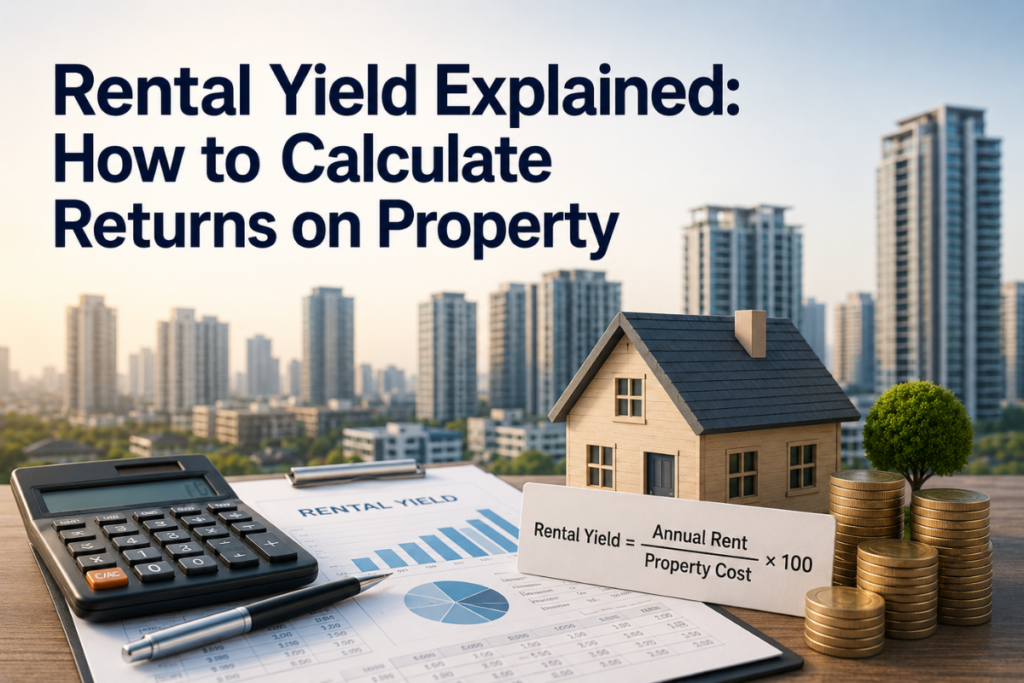
Introduction Many investors believe that ownership of a property is bound to deliver huge financial returns. But ownership is not the only aspect that influences real estate performance. The profitability of real estate is a function of rental revenue, purchase price, maintenance expense, risk of vacancies, financing expense, and long-term appreciation potential. Two similarly priced...
Introduction Real estate is not always a profitable business. Too many purchasers come into the market on emotion, brand hype, or passing fads without properly considering the long-term profits or the financial risk. Professional real estate investors have a different approach to choosing their real estate. Before buying any asset, they look at rental yield, potential for capital growth, return...
In an exclusive interview, Sahil Verma, COO of Shray Projects, shares insights into navigating India’s dynamic real estate sector. He discusses driving operational excellence, pioneering innovative development strategies, and building a future-ready blueprint for sustainable urban infrastructure. Read...
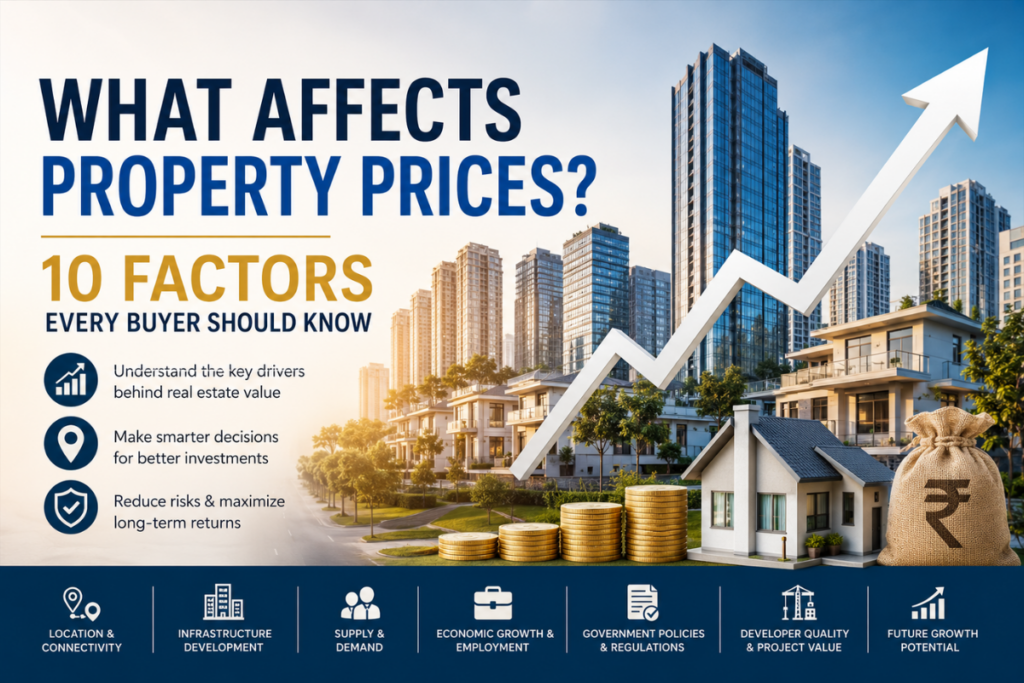
Introduction Despite a variety of quantifiable elements that normally affect real estate appreciation, many buyers believe property values go up randomly over time. The value of a property is influenced by infrastructure, demand of a buyer, supply of housing, government policies, economic growth, expansion of jobs and location maturity. Understanding these factors helps customers make better...
Introduction The largest error that real estate purchasers make is to compare apartments only in terms of square footage reported without comprehending what that number actually means. In the Indian real estate sector, the terms carpet area, built-up area and super built-up area are commonly used by builders, but many buyers are not aware of the differences. This mistake can directly affect the...