
Introduction
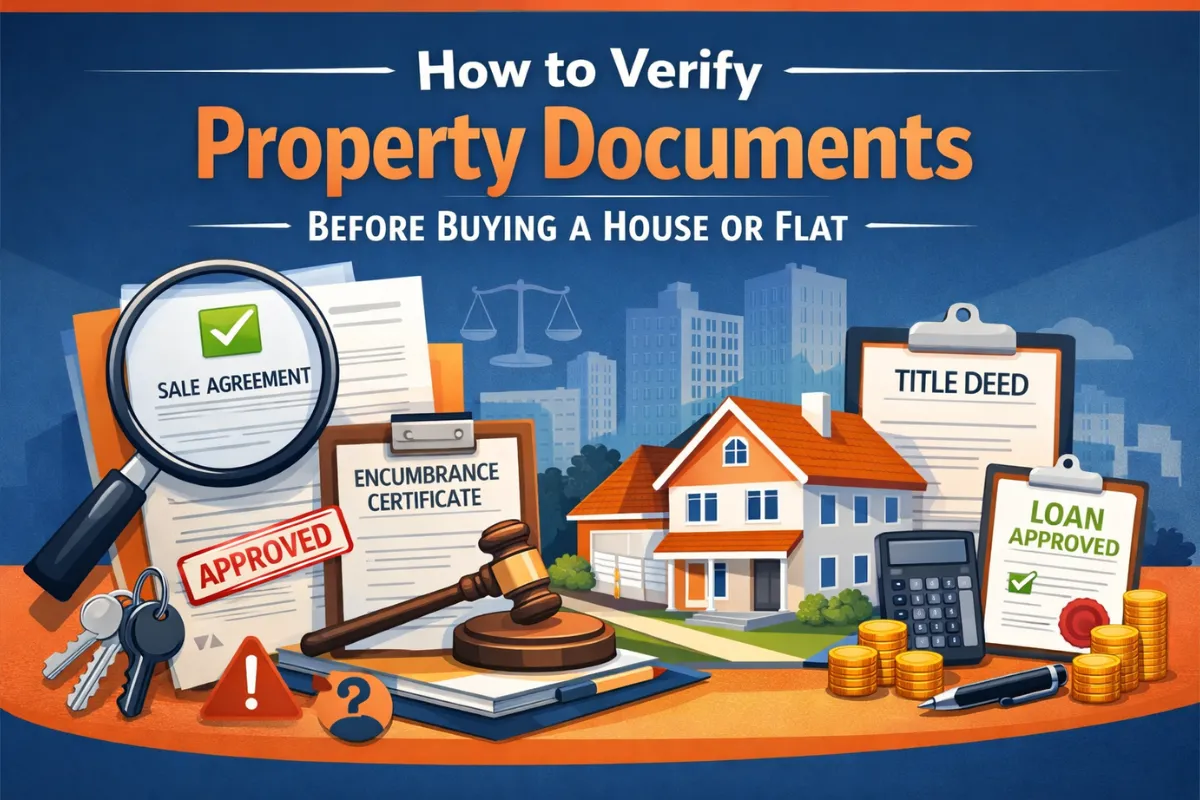
One of the most neglected steps in buying a home is checking the property documents. Many buyers only think about the price, location, or amenities and don't check to see if the paperwork is correct and complete.
Some common mistakes just want at builder overviews or assuming that approvals automatically make ownership clear and safe. After booking or registering, these mistakes could make things challenging to correct.
This blog provides buyers the way to review property documentation in a logical way. It doesn't just list papers; it also tells you when to examine them and why it is essential to receive an appraisal to make accurate property decisions.
|Related List of Documents to Check Before Buying a Flat in India|
Why Verifying Property Documents Is Critical Before Buying?
Checking the paperwork on a property before buying it is an important step that protects buyers from legal and financial problems in the future. Clear and accurate paperwork shows that the seller has the legal authority to transfer ownership and that the property is free of any problems, restrictions, or hidden debts that could put future security at risk.
Proper authentication also protects the value of the building when it is sold again and your ability to receive a loan. When banks give out loans or buyers think about buying something, they usually want clear papers.
Buyers can make decisions if they get document verification completed early. It make sure that the property fulfills legal requirements and long-term use. This makes responsible ownership more secure and apparent.
When Should Buyers Verify Property Documents?
To reduce risks and avoid difficulties, buyers should look over the property's papers at various phases in the buying process. Buyers should find out who owns the propert and if the project is lawful. This is because they are financially dedicated even if they only make one small payment.
It is necessary to do a comprehensive check before signing any transaction. Buyers should check that all of the paperwork shows a term that was offered during discussions and in advertisements.
It is essential to check everything multiple times prior to registering a property. At this point, buyers need to check that the permits and any debts that are already owed haven't changed.
|Related Documents Required Before Buying Property in Gurgaon (Checklist)|
Ownership and Title Verification
Verification of ownership and title allows purchasers to ensure that the seller has the legal right to sell the property. To make sure that the name on the ownership papers matches the name of the person, buyers should review the papers. If there is any disagreement, it could cause delays or issues.
The chain of title reveals who has owned the property over time. A documented process allows buyers to understand if the property has been properly assigned at every step.
A clear title provides you peace of mind about owning the property for a long time. When there are mistakes or records that aren't in agreement with each other, it can be hard to understand the law. Buyers should make sure they have consistent ownership papers.
Approval and Project-Level Document Verification
Approval and project-level document verification allows buyers establish that the construction fits officially approved plans and approvals. Buyers should verify whether the building plan, number of floors, and unit structure agree with sanctioned blueprints. Any noticeable departure may compromise legality, resale value, or future approvals.
Project approvals show that the development has received the correct permissions from the right people before building. Buyers like to know that the project was built according to the rules.
It is very important that the approvals and the actual building are in peace. If the finished building doesn't match the approved plans, buyers may have problems with ownership or getting a financing. Checking for consistency helps buyers avoid risks after buying.
Agreement and Sale-Related Document Checks
The paperwork for the sale and agreement explains the legal and financial relationship between the buyer and the seller. The sale agreement lays out important details including the property's features, how payments will be made, who will be responsible for what, and when the buyer will take possession. Buyers should check that the information on this paper matches what they talked about before and what was agreed upon for the project.
Before registering, buyers need to make sure that the sale deed has the correct information about the property, the names of the owners, and the terms that were agreed upon. The sale deed is the last legal proof of ownership. At this point, any inconsistency could lead to problems or arguments in the future.
Booking or allotment paperwork shows the exact unit assigned to the customer and confirms the first commitments made during booking. To make sure there are no misunderstandings later, buyers should carefully look over the important terms and conditions that relate to delivery times, cancellation terms and extra fees.
|Related Difference Between Conveyance Deed and Sale Deed Explained|
Encumbrance and Liability Checks
Buyers may use attachments and liability checks to make sure that no one else has a claim on the property in the future. People who want to buy a home should check to make sure that it is not being utilized to current debts.
Sales or registration could be delayed by disputes or legal notices from third parties. Buyers need a formal document that shows that no one else has legal rights to the property.
The buyer may have to pay any payments that are still owing after the transaction like property taxes or utility bills. Buyers should only depend on written statements and recorded documents that reflect a secure agreement.
Possession and Usage Document Checks
Buyers can look over the ownership and usage papers to make sure the property is suitable for lawful use. Buyers should look at the total completion and occupancy status at an excellent level.
If you take ownership without an official certificate, it could pose problems with utilities and future legal clarity. A property may look finished but if it doesn't have the right approvals for use and make long-term ownership more difficult.
When it comes to being ready to take ownership, documentation is better than verbal commitments. It is also essential to check that the building is safe and that the necessary paperwork is in possession to show that the project remains on schedule.
Common Red Flags Buyers Should Watch For
There are certain common red flags that buyers should look out for during the document verification process. If you notice missing documents or papers that don't match with each other, you may need to check if there are mistakes.
Buyers should be careful if they feel hurried to make reservations or sign contracts before they have had a chance to study the papers on their own. Responsible transactions allow buyers to look over information at their own convenience.
This could also be a sign that there are concerns with accessibility if documents are routinely late. These indications should make buyers stop and acquire more information before they spend.
Should Buyers Rely Only on Builder-Provided Documents?
When choosing a home, buyers shouldn't just trust the papers that the builder gives them. These papers are helpful but they only show one portion of the deal and may not provide you the whole legal view. Independent verification helps buyers make sure that the papers are accurate and correspond to the official records. When checking ownership history or financial liabilities, property professionals can help make things more apparent.
Ultimately, it is the buyer's responsibility to do their homework. You should always have confirmation that what the seller or builder says, what they say in marketing materials, or what they say in person is true. An independent review makes sure that decisions are based on facts that can be checked, not on assumptions or incomplete information.
|Related What Documents Are Required for Registration of Property in India? A Complete Guide|
FAQs
When should buyers start verifying property documents? +
Can buyers verify documents after paying the booking amount? +
Who is responsible for property document verification? +
What are the most common document-related issues buyers face? +
Is document verification required for resale properties as well? +
Conclusion
Property document verification serves a crucial role in safeguarding buyers from needless legal battles, financial complexities, and long-term ownership challenges. A thorough evaluation makes sure that the property is legally clear, properly represented, and good for future sales or financing needs. Buyers who look at papers early and on their own are better able to make smart decisions without too much danger or doubt. Instead of just relying on summaries or guarantees, a structured verification method encourages safe and confident real estate investing. For buyers who want clear and structured guidance throughout the process, insights from a Real Estate Agency in India can provide an informed, advisory point of view.