
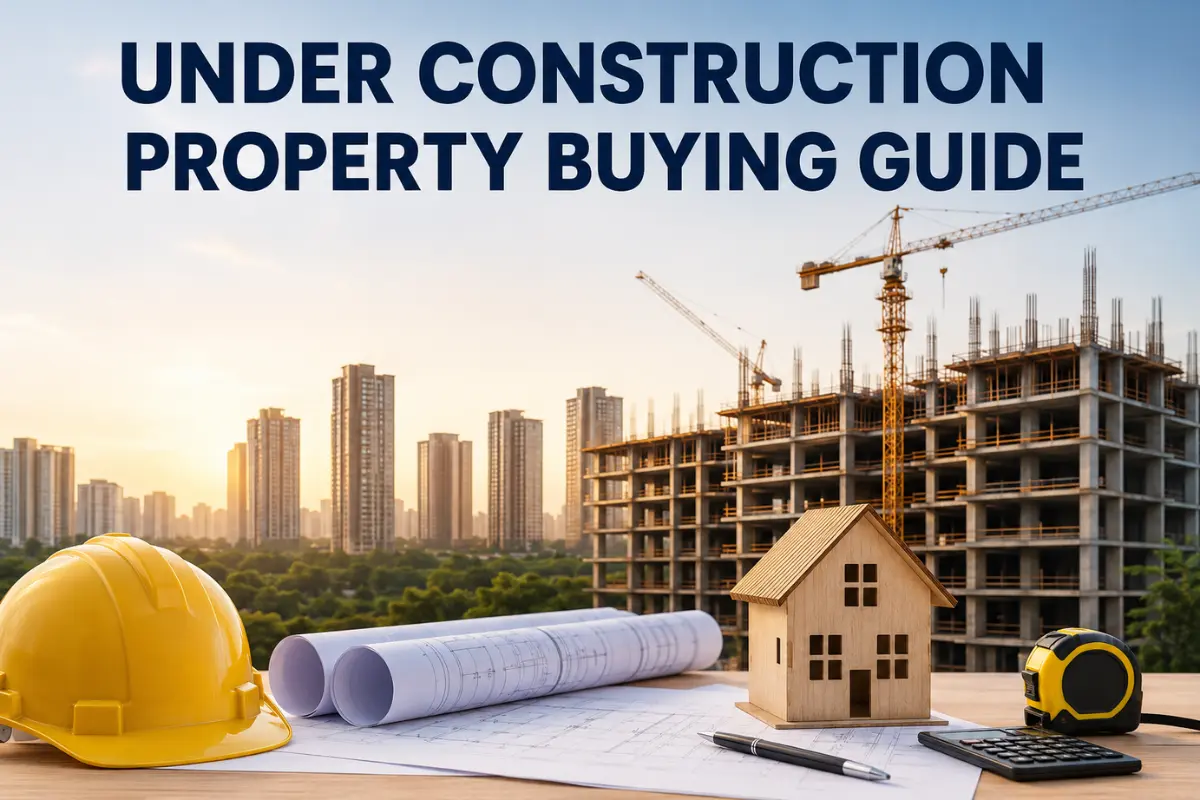
Buying an under-construction property can be an excellent opportunity for homebuyers and investors looking to own a modern home in Gurgaon. Compared to ready-to-move properties, under-construction projects often provide greater inventory choices, flexible payment plans, and access to newly planned residential communities. Many buyers also prefer these developments because they can choose from different layouts, floor levels, and configurations before construction is completed.
However, purchasing an under-construction property also involves additional responsibilities. Since the project is still being developed, buyers must carefully evaluate the developer, verify legal approvals, understand the payment structure, and assess construction progress before making a financial commitment. Taking the time to conduct proper due diligence can help minimise risks and ensure a smoother buying experience.
This guide explains everything you should check before booking an under-construction property in Gurgaon, helping you make an informed and confident decision.
Understanding Under-Construction Property Investments
Why Do Buyers Choose Under-Construction Properties?
Under-construction properties continue to attract buyers for several practical reasons.
Some of the common advantages include:
- Wider selection of available units.
- Modern layouts and contemporary designs.
- Flexible construction-linked payment plans.
- Access to newly developing residential communities.
- Opportunity to choose preferred floor levels and views.
For many buyers, these advantages make under-construction projects an attractive alternative to completed homes.
Is an Under-Construction Property Right for You?
Before booking a project, consider your own requirements.
An under-construction property may be suitable if you:
- Do not require immediate possession.
- Prefer phased payment schedules.
- Want access to newer developments.
- Are comfortable waiting until project completion.
- Have evaluated the developer's delivery history.
Buyers requiring immediate occupancy may find ready-to-move homes more appropriate.
Research the Developer's Reputation
The credibility of the developer is one of the most important factors when purchasing an under-construction property.
Before making a booking, research:
- Previous completed projects.
- Construction quality.
- Delivery timelines.
- Customer feedback.
- Financial stability.
- Transparency during the buying process.
Developers with a strong track record generally provide greater confidence regarding project completion and post-possession support.
Verify RERA Registration
Every eligible real estate project should be registered under the Real Estate (Regulation and Development) Act (RERA).
Before proceeding, verify:
- RERA registration number.
- Approved project details.
- Construction timeline.
- Completion schedule.
- Approved layouts.
RERA registration provides buyers with greater transparency and access to verified project information.
Confirm Bank Approvals
Many homebuyers finance their purchase through home loans.
Before booking a property, check whether the project has been approved by recognised banks or housing finance institutions.
Although buyers should still conduct independent legal verification, bank approvals often indicate that the lender has completed its own financial and legal evaluation of the project.
What to Check Before Booking an Under-Construction Property
Verify Legal Documents
Legal due diligence should never be overlooked.
Important documents to verify include:
- Title deed.
- Land ownership records.
- Approved building plans.
- Commencement Certificate.
- Environmental approvals.
- Fire safety approvals.
- Development permissions.
- RERA registration.
Consulting an experienced property lawyer before signing any agreement can help identify potential legal concerns.
Read the Builder-Buyer Agreement Carefully
The Builder-Buyer Agreement (BBA) outlines the rights and responsibilities of both the buyer and the developer.
Before signing, carefully review:
- Payment schedule.
- Possession timeline.
- Delay compensation clauses.
- Cancellation policy.
- Refund terms.
- Additional charges.
- Maintenance responsibilities.
Never rely solely on verbal assurances. Ensure that all important commitments are documented in writing.
Understand the Payment Plan
Most under-construction projects follow construction-linked or milestone-based payment schedules.
Before booking, understand:
- Booking amount.
- Construction milestones.
- Payment deadlines.
- Loan disbursement process.
- Interest during construction (if applicable).
A clear understanding of the payment structure helps buyers plan their finances effectively throughout the construction period.
Evaluate the Total Cost of Ownership
The advertised apartment price rarely represents the complete financial commitment.
Request a detailed cost sheet that includes:
- Base sale price.
- GST (where applicable).
- Stamp duty.
- Registration charges.
- Parking charges.
- Club membership.
- Maintenance deposits.
- Power backup charges.
- Interior expenses after possession.
Knowing the total investment cost helps prevent unexpected expenses later.
Evaluate the Location and Future Infrastructure
The long-term value of a property depends significantly on its surrounding location.
Before booking, assess:
- Road connectivity.
- Metro accessibility.
- Schools and hospitals.
- Business districts.
- Shopping centres.
- Public transport.
- Future infrastructure developments.
Projects located within well-connected residential corridors often offer greater convenience for everyday living.
Visit the Construction Site
Site visits provide valuable insights that brochures cannot.
During your visit, observe:
- Construction progress.
- Quality of materials.
- Structural work.
- Safety practices.
- Site management.
- Neighbourhood development.
- Road access.
If possible, visit the project at different stages of construction to understand whether progress aligns with the promised timeline.
Confirm the Possession Timeline
Before booking, discuss the expected possession schedule with the developer.
Clarify:
- Target completion date.
- Grace period.
- Delay compensation provisions.
- Timeline for common amenities.
- Occupancy process.
Understanding these timelines helps you plan your finances and future housing arrangements more effectively.
Verify the Promised Amenities
Many under-construction projects promote extensive lifestyle amenities.
Before making a purchase, confirm:
- Clubhouse facilities.
- Swimming pool.
- Fitness centre.
- Children's play areas.
- Landscaped open spaces.
- Sports facilities.
- Security systems.
Ask whether these amenities will be delivered before or after possession and ensure that the commitments are reflected in the project documentation.
Common Mistakes Buyers Should Avoid
Some common mistakes include:
- Booking without verifying legal documents.
- Ignoring the developer's delivery history.
- Paying large amounts upfront without understanding the payment plan.
- Not visiting the construction site.
- Overlooking additional ownership costs.
- Assuming all promised amenities will be delivered without documentation.
- Making decisions based solely on promotional offers.
Taking a structured approach can significantly reduce these risks.
Conclusion
Buying an under-construction property in Gurgaon can be a rewarding decision for buyers seeking modern homes, flexible payment options, and access to newly developing residential communities. However, a successful purchase depends on much more than attractive pricing or marketing campaigns. Carefully evaluating the developer, verifying legal approvals, understanding payment schedules, inspecting construction quality, and reviewing the Builder-Buyer Agreement are all essential steps before making a commitment.
Whether you are purchasing your first home or expanding your investment portfolio, conducting thorough due diligence will help you make a confident and informed decision. A well-researched purchase today can provide long-term peace of mind and reduce the likelihood of unexpected challenges during the construction and possession process.
FAQs