
Introduction
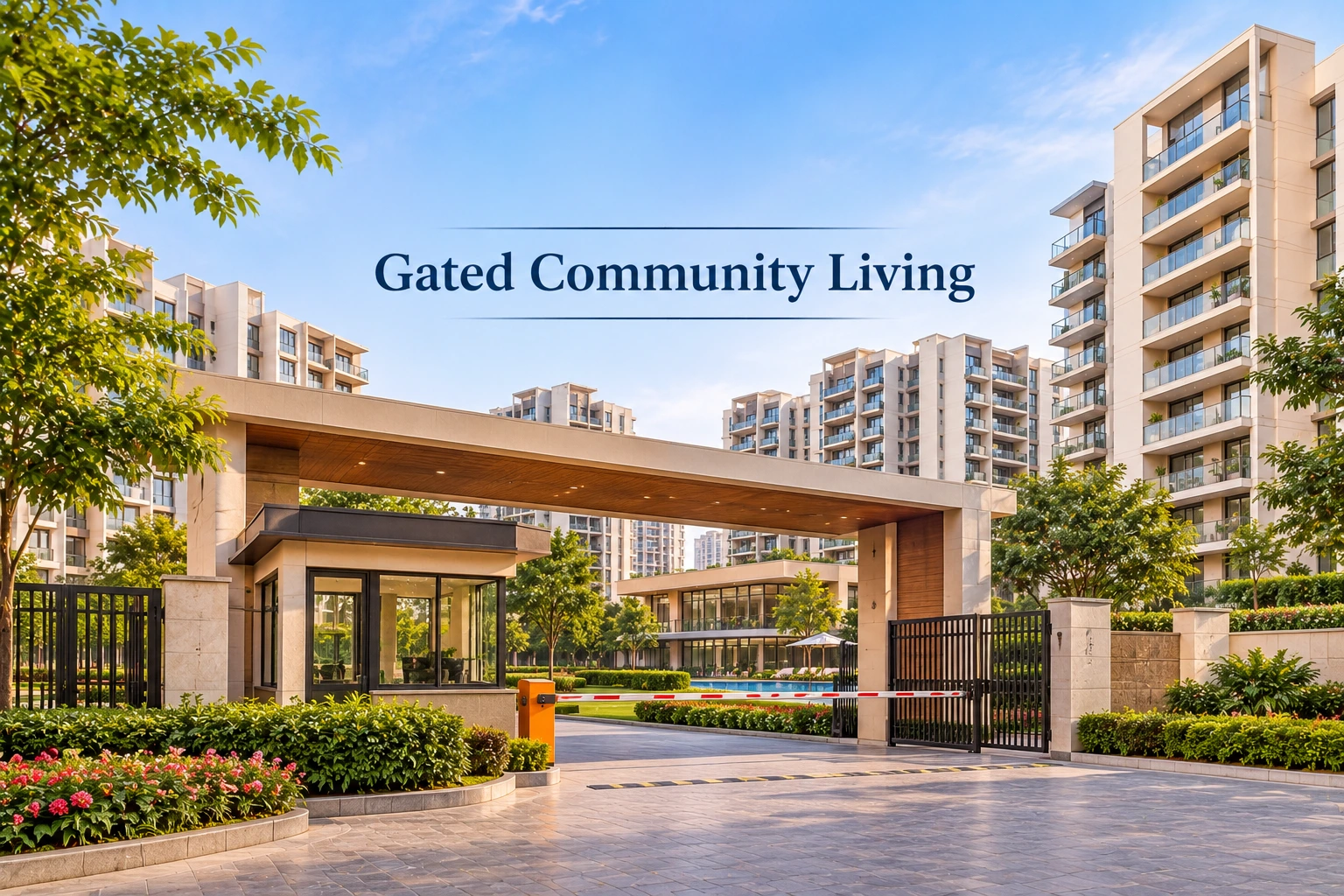
Gated community living is a type of housing where the houses are within a regulated development area with limited access and shared services. Such communities have emerged as a preferred housing alternative for families and working professionals looking for organised residential infrastructure, security provisions and easy access to recreational and lifestyle activities.
But when comparing gated residential complexes, homebuyers need not just look at elegant clubhouses, landscaped gardens and security gates. It is equally crucial to understand how these advancements work. This book covers the important things a buyer should consider when buying a property, including community security, amenities, maintenance expenses and resident associations.
What Is Gated Community Living and What Are Its Main Benefits?
Understanding Gated Residential Communities and Different Housing Formats
A gated community is a planned residential area encircled by a specified perimeter and access to interior roadways, buildings or common amenities is controlled through designated entry points. The inhabitants are normally expected to live according to conventional norms, and to manage some facilities and common areas collectively. These developments might include many different types of residential housing.
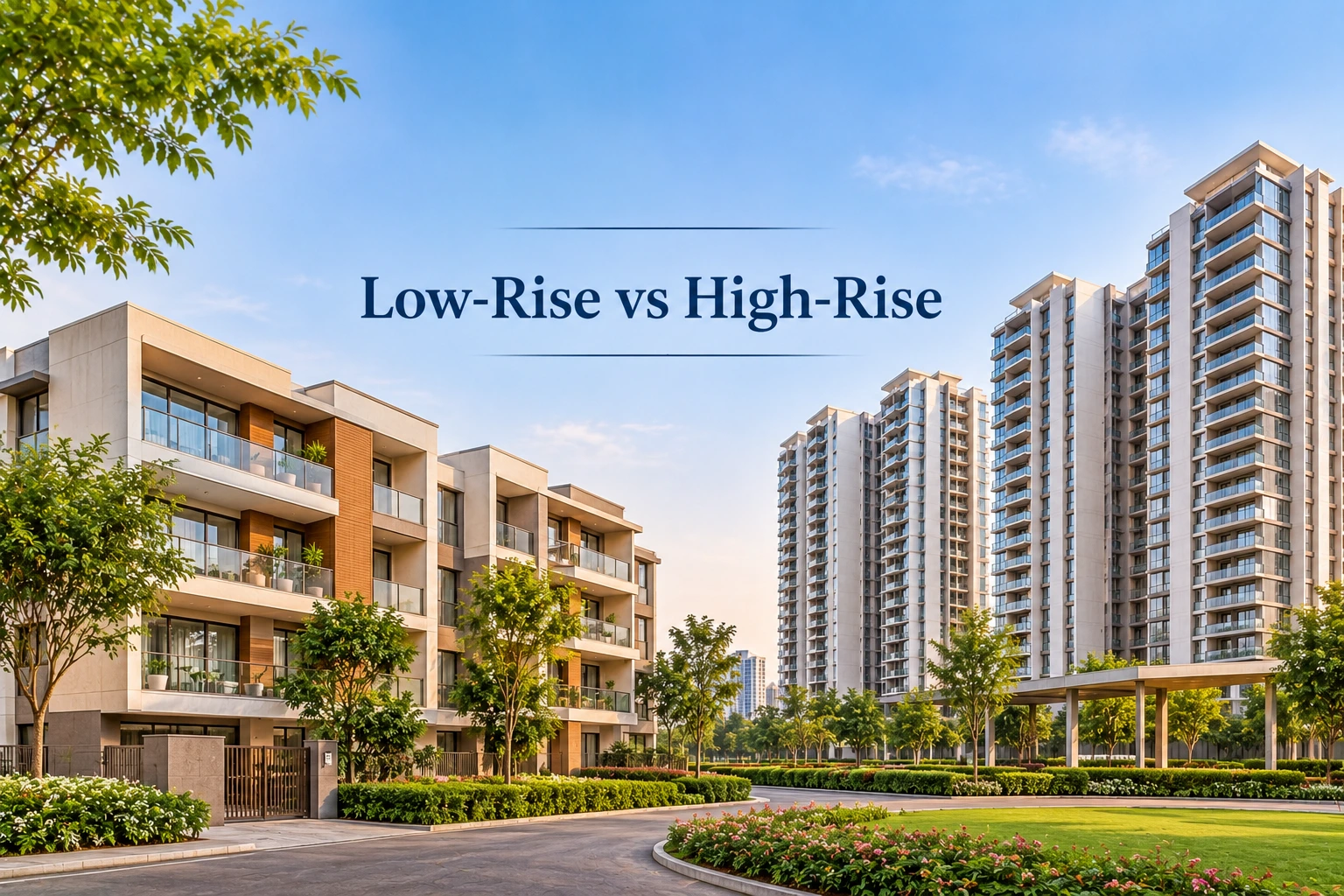
High-rise apartment complexes comprise of multiple residential towers, which have common entrances, lifts, security guards and recreational facilities. They normally share the infrastructure and have a common-area management organised for the residents.
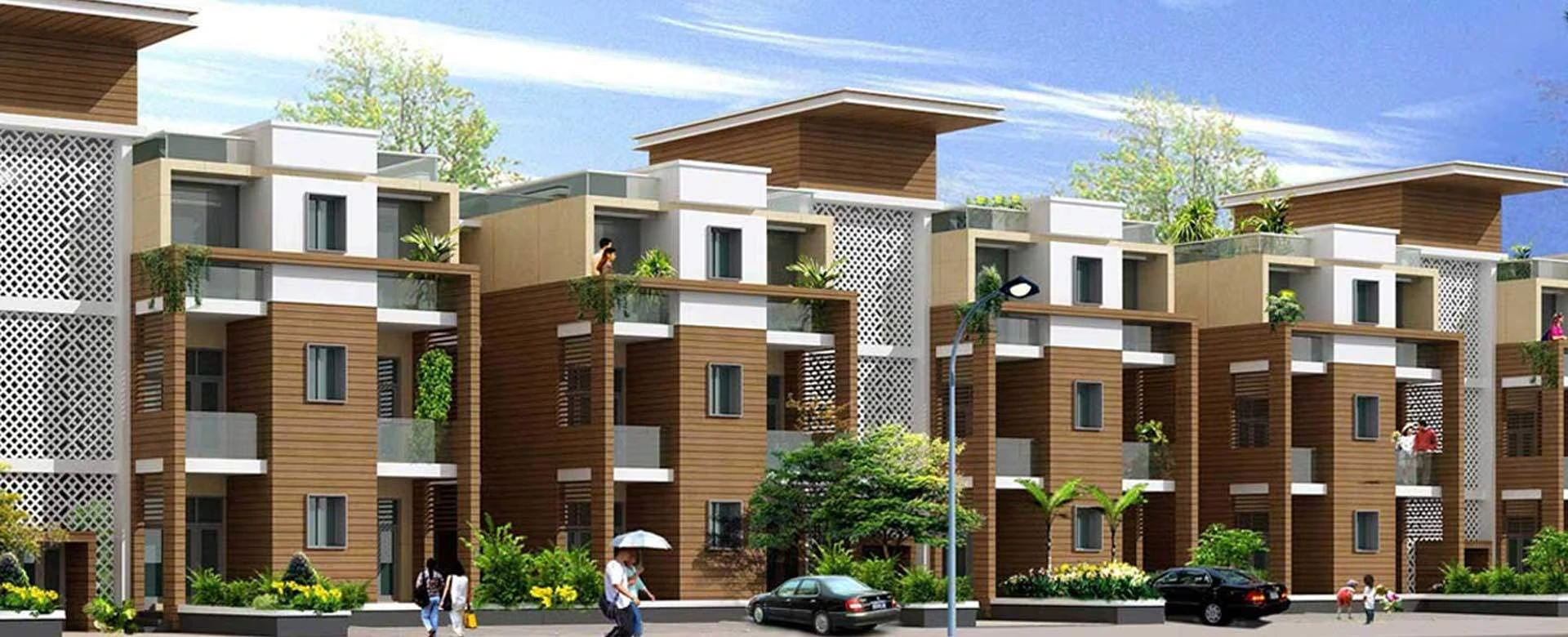
Low-rise residential communities are smaller apartment buildings or floors within planned complexes. Depending on the project, they may provide common parks, security provisions, internal roadways and community services.
Gated plotted townships are planned projects where owners can build autonomous dwellings on residential plots. These townships may have internal roads, landscaped spaces, drainage and shared infrastructure.
Luxury villa communities are detached homes within a gated development. In addition, private gardens or outdoor spaces may be provided, along with communal recreational amenities and community functions.
Security Features and Safety Arrangements in Gated Communities
Security is a big factor for consumers who want to buy gated residential properties. Most planned developments will rely on a combination of physical security, surveillance and access-management technology. The security officers may also watch access and exit points, maintain visitor registers and follow protocols to let guests, delivery workers and service providers enter the premises.
CCTV cameras can be installed at gates of entry, on internal roadways, in parking zones and in common spaces. Visitor-management systems can provide residents with information about anticipated visitors and also enable them to allow access when such facilities exist. Security personnel may also make regular patrols and respond to some security-related occurrences.
At the building level, arrangements may incorporate intercom systems, access-controlled lobbies, fire alarms and other safety equipment, where applicable. Good illumination is also vital for internal roadways, walkways, basement parking and building entrances. In emergency readiness, there should be functioning fire safety provisions, defined evacuation protocols, emergency communication systems, and accessible routes for fire engines and ambulances.
These arrangements can help secure the home but do not prevent theft, unauthorised access, accidents or other risks. Buyers have to ensure that CCTV cameras, access systems, alarms and other equipment are working and are frequently maintained. They should also be aware of how the neighbourhood responds to emergencies and whether emergency vehicles can access different buildings without impediment.
Lifestyle Amenities and Community Facilities for Residents
Gated communities may also have a number of communal facilities that increase exercise, recreation and daily convenience. Fitness and wellness amenities might include gymnasiums, swimming pools, yoga studios, meditation spaces, jogging tracks and outdoor workout areas. Sports facilities may include badminton or tennis courts, basketball grounds, indoor games and multifunctional sports spaces. Availability will be dependent on the size and design of the development.
Children’s play areas, landscaped gardens, community parks, outdoor seating and family leisure locations can be useful for families. Residents have access to clubhouses, multipurpose halls, indoor lounges and meeting facilities to hold festivities, join community activities or interact with neighbours. Such common areas can encourage social activities without residents having to leave the complex.
Gated communities may also have a number of communal facilities that increase exercise, recreation and daily convenience. Fitness and wellness amenities might include gymnasiums, swimming pools, yoga studios, meditation spaces, jogging tracks and outdoor workout areas. Sports facilities may include badminton or tennis courts, basketball grounds, indoor games and multifunctional sports spaces.
Availability will be dependent on the size and design of the development.
Children’s play areas, landscaped gardens, community parks, outdoor seating and family leisure locations can be useful for families. Residents have access to clubhouses, multipurpose halls, indoor lounges and meeting facilities to hold festivities, join community activities or interact with neighbours. Such common areas can encourage social activities without residents having to leave the complex.
Some gated communities also have everyday comfort facilities such as guest parking, waste-management systems, building maintenance services and convenience shops. There can be common power backup and water supply infrastructure to cater to the necessary requirements of the residences. This can be different from project to project.
The existence of amenities does not mean that they are constantly working or that they are included in the regular maintenance charges. Some may demand a separate membership fee or require ahead booking or payment for specific activities. Buyers should examine the actual amenities, hours of operation, usage restrictions and any additional fees prior to purchase. Consider how often you utilise these features in your home.
How Do Maintenance, Community Rules and Living Costs Work in Gated Societies?
Understanding Gated Community Maintenance Charges and Common Expenses
These contributions serve to maintain the shared infrastructure and assist with the day-to-day operation of the development. The money raised can be used for security staff, electricity for common areas, maintenance of lifts, water pumps, landscaping, swimming pool maintenance, clubhouse operations, housekeeping, waste management, fire safety equipment, servicing of generators, building repairs and facilities management staff.
Maintenance rates may be computed differently in gated communities. In the area-based method, the monthly contributions are determined by a special measurement of the area of the flat. A fixed-charge system is one in which certain services are provided at the same price to qualified residential units. Developments may be structured in a heterogeneous manner, with fixed rates, area-based contributions and distinct taxes for specific features or uses.
| Expense | What Buyers Should Check |
| Monthly Maintenance | Rate, calculation method and included services |
| Clubhouse Charges | Whether membership or usage costs are separate |
| Power Backup | Availability, billing method and additional charges |
| Water Charges | Whether included or metered separately |
| Parking Charges | Applicable allocation, maintenance or usage expenses |
| Sinking / Repair Fund | Contributions towards major future repairs |
| Security and Housekeeping | Services covered under regular maintenance |
| Special Assessments | Circumstances in which extra contributions may arise |
Role of Residents' Welfare Associations and Facility Management
Once residents move into a gated community, its management can include the developer, the residents' groups and professional facility-management businesses. Their duties vary according to the legal framework of the project, the relevant agreements and the stage of handover.
The developer or promoter shall administer the essential project services and common facilities until the applicable handover to the association of allottees, according to the statutory responsibilities. Buyers should be aware of whether this has happened and what obligations remain with the developer.
A Residents' Welfare Association (RWA) or Apartment Owners' Association (AOA) can represent residents and participate in decisions about maintenance, community administration and shared facilities. Its duties are determined by the method of its establishment under the law and the authority given by the governing documents. Sometimes individuals use RWA and AOA interchangeably yet their legal constitution and powers may be different.
Day-to-day operations like housekeeping, landscaping, security coordination, lift service, equipment maintenance and common area cleaning can be handled by a professional facility management company. The corporation usually works according to the agreed services and duties with the management body.
Residents also play a key part in preserving the neighbourhood. They are required to abide by the regulations of the society as applicable, pay the charges leviable on them and use the common facilities judiciously. Community administration may include setting budgets for maintenance, collecting contributions, keeping accounts, arranging repairs, managing contractors, dealing with complaints and informing people about crucial choices. Buyers should check management arrangements, availability of maintenance accounts and plans for major repairs before buying.
Advantages, Disadvantages and Checklist Before Buying in a Gated Community
There are a number of practical benefits to living in a gated community, including organised security systems, shared recreational facilities, maintained landscaping, children's play spaces and possibilities for social contact. Some offerings may provide professional maintenance and pooled infrastructure that can simplify ordinary residential administration.
But these benefits bring with them certain duties and constraints. Residents must factor in ongoing maintenance fees, additional amenity fees and possible special assessments for major repairs. Community regulations may limit some actions, like renovations and the use of shared areas. Shared amenities might be congested and disputes over parking, maintenance fees and visitor management can impair the residential experience. Day-to-day quality of living also depends to a large extent on how well the management team performs.
Before purchasing a home in a gated community, buyers should consider the following questions:
- Is the gated community fully operational or still under development?
- Are the advertised amenities functional and accessible?
- What is the monthly maintenance charge?
- Are there separate clubhouse, parking or power backup expenses?
- Who currently manages the development?
- Has maintenance been handed over to the relevant residents' association?
- Are maintenance budgets and payment records available?
- Are lifts, fire safety systems and emergency exits maintained?
- Are there any outstanding maintenance dues associated with the apartment?
- Do the community's rules suit the household's lifestyle?
Conclusion
It is a gated community that includes shared residential infrastructure, organised security arrangements and recreational facilities. However, before buying, buyers should consider the actual state of amenities, maintenance costs, association administration and community bylaws. The proper community should suit their lifestyle, family needs, budget and long-term ownership goals. Shray Projects enables purchasers to compare flats, villas and independent-floor homes in gated residential communities across Gurgaon. Explore the various residential homes and contact Shray Projects for any help and site visits related to specific properties before making your decision.