
Introduction
A home inspection before you buy a flat can help you detect faults, incomplete work and practical concerns before you commit to buying. Sample flats, brochures and floor plans may be able to demonstrate the design and amenities of the property, but they cannot tell you about every problem with the actual flat or building.
Buyers can check the walls, floors, doors, windows, plumbing, electrical points, fittings and overall level of finishing by physical examination. It is additionally essential to examine common areas, lifts, parking, water supply and other common facilities. Buyers should check the physical condition as well as the required property and possession documentation before closing the deal. This book gives a comprehensive checklist for buyers of new and resale apartments encompassing the unit itself, building facilities, necessary documentation and checks to be done before possession or final purchase.
Home Inspection Before Buying: What to Check Inside the Apartment
Start With the Apartment Layout and Actual Measurements
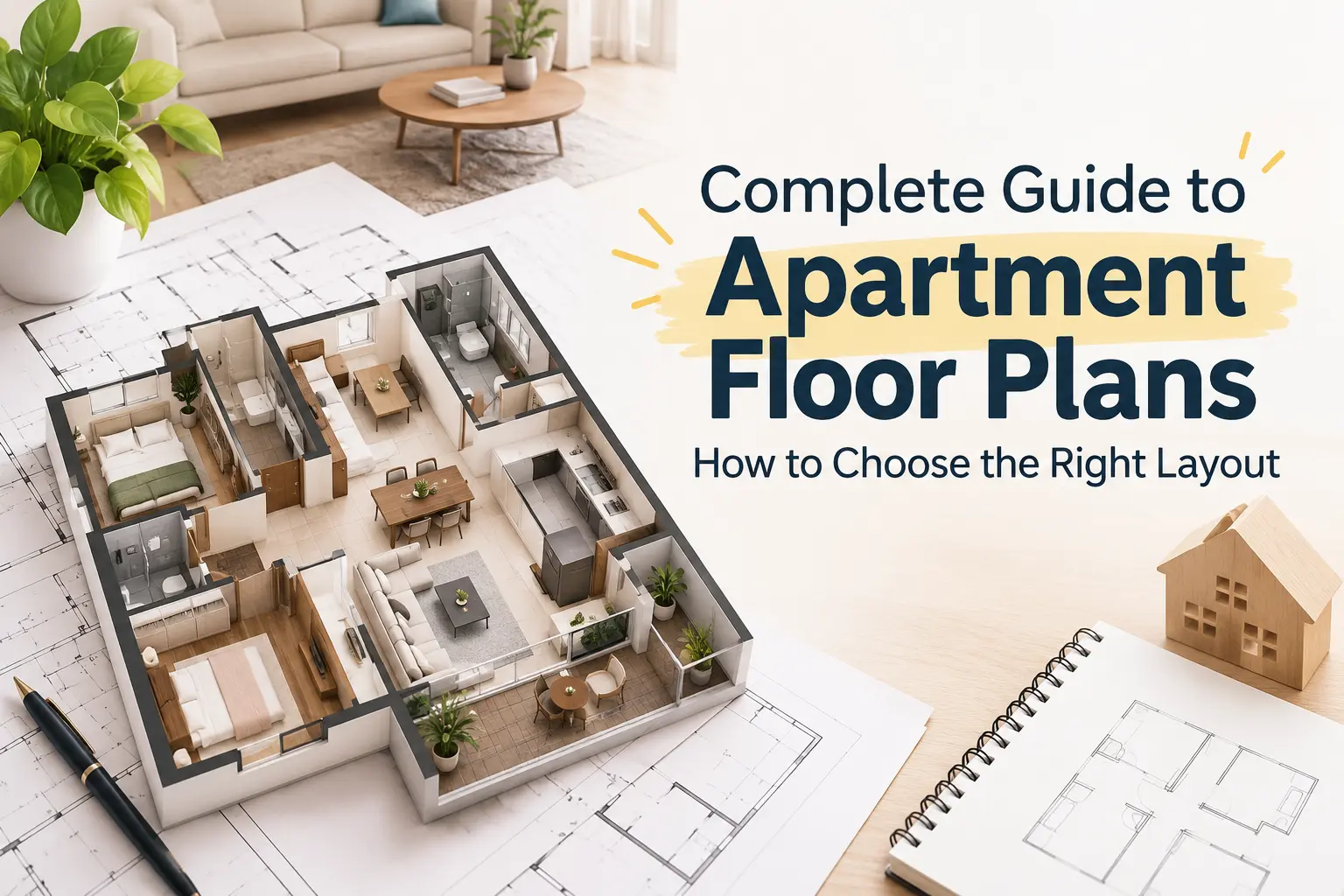
To start the inspection, compare the finished flat to the approved or final plan and, where applicable, the specifications referred to in the sale agreement. Don’t take the floor plan for granted and check the actual measurements of bedrooms, living areas, kitchen, balconies and utility spaces.
- Room dimensions and usable floor area
- Balcony size
- Kitchen layout
- Utility space
- Wardrobe niches
- Circulation space between rooms
- Door openings and clearances
- Usable storage areas
Check Walls, ceilings, and Paint Finish
Check walls and ceilings in natural light wherever possible. Check for apparent cracks, wet patches, water marks, uneven plaster or other evidence of poor finish.
- Visible cracks
- Dampness or water stains
- Uneven plaster
- Peeling paint
- Patchy paintwork
- Ceiling seepage marks
- Poorly finished corners
- Hollow-sounding plaster where relevant
Inspect Flooring and Tiles Carefully
Look at flooring room by room - examine bedrooms, living spaces, kitchens, bathrooms and balconies. Inspect for broken or chipped tiles, uneven surfaces and uneven levels.
- Cracked tiles
- Chipped edges
- Uneven flooring
- Loose or hollow-sounding tiles
- Poor grout work
- Noticeable level differences
- Damaged wooden or laminate flooring
- Incomplete finishing around edges
Test Doors and Windows
But don’t just look; open and shut every door and window you can get to. Movement should be rather smooth. Locks, handles and hinges should work well.
- Main entrance door
- Internal doors
- Bathroom doors
- Balcony doors
- Windows
- Door and window frames
- Locks and handles
- Hinges
- Sliding mechanisms
- Gaps around frames
- Glass condition
- Window sealing
Check Plumbing and Water Supply
Plumbing should be tested, not just visually checked. Turn on taps, showers and other outlets and check pressure, drainage and condition of fittings.
- Water pressure
- Taps
- Shower outlets
- Flush systems
- Wash basins
- Kitchen sink
- Drainage speed
- Pipe joints
- Leakage below sinks
- Water connections to fittings
Check Bathrooms for Leakage and Waterproofing Signs
Bathrooms require separate assessment, plumbing, drainage and waterproofing issues can be costly to rectify if missed.
- Damp patches on walls
- Ceiling stains
- Loose or damaged tiles
- Slow drainage
- Poor shower-area slope
- Damaged sealant around fittings
- Inadequate ventilation
- Exhaust provision
Test Electrical Points and Fixtures
Check all the electrical outlets in the apartment. Check switches, plugs, light points, and any fixtures being sold.
- Switches and sockets
- Light points
- Fans
- Distribution board (DB)
- MCBs
- Air-conditioning points
- Geyser points
- Kitchen appliance points
- Earthing, where professionally testable
Check the Kitchen Thoroughly
The kitchen should be assessed for finish and also for practical use. Look for cracks, bad joints, or unfinished edges on the countertop and test the washbasin, taps, and drainage.
- Countertop
- Sink and tap
- Drainage
- Cabinets and shutters
- Hinges and handles
- Electrical points
- Chimney provision
- Refrigerator space
- Gas pipeline or provision, where applicable
- Utility balcony or utility area
Check Natural Light and Ventilation
The natural light and ventilation should also be considered in the physical assessment as they can greatly affect everyday comfort. Consider the amount of natural light that penetrates bedrooms, living areas, the kitchen and other often utilised places.
- Daylight in bedrooms
- Living-room light
- Cross ventilation
- Balcony orientation
- Obstruction from neighbouring buildings
- Bathroom ventilation
- Kitchen ventilation
Building, Documents and Final Checks Before Buying an Apartment
Inspect Common Areas and Building Condition
- Main lobby and entrance
- Corridors
- Lifts
- Staircases
- Basement areas
- Parking spaces
- Fire exits
- Common lighting
- Landscaping
- Clubhouse
- Swimming pool
- Children’s play areas
- Waste-management areas
Check Parking and Vehicle Access
- Assigned parking location
- Covered or open parking
- Parking dimensions
- Vehicle entry and exit
- Visitor parking
- EV charging provision, where relevant
- Basement drainage and signs of waterlogging
Check Water, Power Backup and Essential Services
- Water source and availability
- Water storage arrangements
- Power backup
- Generator coverage
- Lift backup
- Sewage system
- Waste management
- Security systems
Inspect the Surrounding Project and Tower Location
- Distance from the main road
- Traffic and road noise
- Nearby construction
- Distance between towers
- View from the apartment
- Proximity to the clubhouse
- Traffic at the project entrance
- Location of waste-management areas
- Transformer or generator placement
- Potential future towers
Verify Documents Before Finalising the Purchase
- Title and ownership documents
- Sale agreement
- RERA details, where applicable
- Approved plans
- Occupancy or completion certificate, where applicable
- Property tax receipts
- Maintenance dues
- Society or association documents
- Loan and encumbrance-related documents
- Possession documents
New Apartment vs Resale Apartment: Inspection Differences
| Area | New Apartment | Resale Apartment |
| Finishing defects | High priority | Check wear and damage |
| Plumbing | Installation quality | Age, leakage, pressure |
| Electrical | Point and specification check | Wiring age and condition |
| Common areas | Delivery quality | Maintenance quality |
| Documents | Builder and project approvals | Title chain and society dues |
| Appliances/fittings | Match promised specifications | Check remaining life |
| Seepage | Construction defect signs | Long-term leakage history |
Should You Hire a Professional Home Inspector?
A professional home inspection might be advantageous when the buying price is high or there are problems with the house that are not easy to assess without specialist equipment.
- Expensive apartment purchases
- Luxury apartments
- Properties with visible seepage
- Older resale flats
- Concerns about construction quality
- Detailed possession inspections
Depending on the area of service, an inspector may employ moisture meters, electrical testing equipment, level checks and thermal tools if necessary. Such instruments can detect indications that are not always evident in a standard eye examination.
But a professional assessment does not guarantee that a flat will stay flaw-free. It provides an additional assessment of the state of the property at the time of inspection and can assist purchasers in identifying issues that require a proper solution.
Final Home Inspection Checklist Before You Pay or Take Possession
- Layout matches relevant documents
- Walls checked for cracks, dampness and finishing defects
- Ceilings checked for seepage or stains
- Flooring and tiles checked
- Doors and windows tested
- Plumbing and water pressure tested
- Drainage tested
- Electrical points and fixtures tested
- Kitchen inspected
- Bathrooms inspected
- Balcony drainage checked
- Parking location and access confirmed
- Lifts and common areas inspected
- Power backup checked
- Water and sewage arrangements understood
- Relevant documents verified
- Visible defects recorded in writing
Conclusion
It’s an essential due-diligence step before you buy a flat and not just a superficial check of paint, flooring or fittings. Buyers should check the flat interiors as well as the entire building and common facilities, including plumbing, electrical systems, parking, lifts, water supply, power backup and evident maintenance issues.
Recording incomplete work and flaws might assist with the snagging and possession process for new units. For resale houses, it can point out existing damage, ageing systems and fixes that may need attention. Before taking final payment or possession, take good pictures and keep a written record of any faults. If there are serious building, technical or documentation issues, consider the assistance of a certified house inspector, engineer or legal specialist before completing the acquisition.
FAQs